
The Canada Mortgage and Housing Corporation (CMHC) is sounding the alarm: the apparent improvement in Montreal’s housing market may prove temporary. In a new housing affordability report, the agency warns that current conditions “will not persist” and “overestimate the abundance of supply.”
There is a breather. But it’s short.
Over the past few months, the market really has been breathing a bit easier. Condo supply in Greater Montreal has been steadily rising, and the number of vacant units is increasing. Buyers and renters, for the first time in a long while, have real choice. Demand has weakened amid new immigration policy and broader economic uncertainty.
However, this very lull carries a hidden threat.
“Right now supply may seem plentiful, but if demand shifts and construction stops, we’ll have to play catch-up again,” warns Francis Cortellino, a CMHC economist responsible for analyzing Quebec’s housing market.
2027: the year of slowdown
CMHC forecasts a significant drop in the pace of new construction in 2027. The problem lies in the nature of the market itself: demand can flare up overnight, while a new residential project takes several years from decision to completion. One push—lower rates, population growth, or improved economic prospects—and the market could find itself back in shortage.
Records with a worrying sign
2025 was a bumper year for Quebec: nearly 60,000 new construction projects—up 24% from the previous year. A similar pace is expected in 2026 as well.
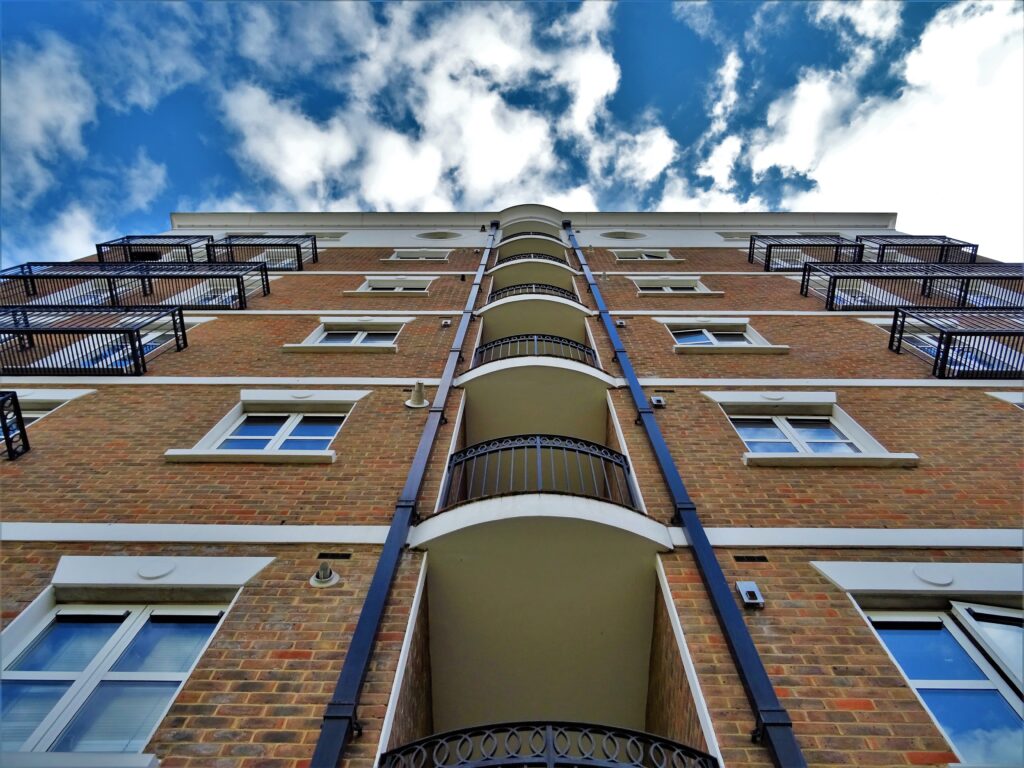
But the structure of construction raises questions. More than 80% of new units are rental housing—an all-time record. Condominiums, by contrast, are at a historic low: just 2,500 new units over the entire past year. New projects are losing out to the resale market—buyers consider them too expensive.
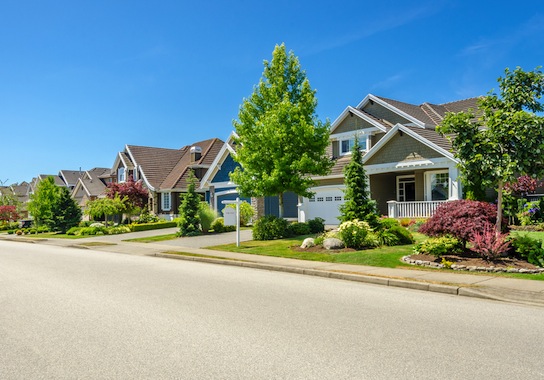
Single-family homes are also being built in catastrophically small numbers: 6,600 units in 2025, and only 1,700 building permits have been issued for 2026.
A ray of hope—in the suburbs
A positive signal is coming from an unexpected place. A third of all new builds in the Montreal region fall into the so-called “missing middle”—multiplexes, townhouses, low-rise homes, and additional dwelling units. This segment is developing especially actively in the northern and southern suburbs, where new zoning rules make it possible to densify development faster and more cheaply.
“These types of properties are built faster and reach the market sooner,” Cortellino notes.
National context
A similar picture can be seen across the country. Construction in Canada grew by 6% in 2025, and build times improved. However, CMHC points to “serious vulnerabilities” hidden behind these figures. In Toronto and Vancouver, condo construction has virtually ground to a halt—which is already threatening future supply today.